
From Teens to Socially Developed Adults: Beyond Screen Time Rules
Introduction
As parents, we want our teens to build the social skills and emotional resilience necessary to become socially developed adults. Achieving this in the digital age requires more than just screen time rules. It requires a healthy balance between online engagement, being offline and high-quality sleep (Castelo et al., 2025). While social media is often blamed for declining social development, it is rarely the sole culprit.
To find this balance, we can draw three proven tools from the parenting toolbox: Authoritative Parenting, Positive Behavior Support (PBS), and Collaborative Problem Solving (CPS). By applying these across the four domains of responsiveness, autonomy, education, and regulation, we move beyond policing and parent with great impact.
To keep things manageable for busy families, we also apply the 80/20 rule. By identifying keystone practices, the 20% of focus areas that yield 80% of the developmental results, parents can create a powerful foundation for parenting without becoming overwhelmed.
It is time to move from digital policing to a proactive strategy, one that safeguards your teen’s sleep, mental health, and social future.
Best Practice Parenting Tools
To move from theory to practice, we first need a clear understanding of the three best practice parenting tools that form our foundation.
Authoritative Parenting Style
First coined by developmental psychologist Diana Baumrind (Baumrind, 1966), this is widely considered the best practice for healthy child development. Unlike authoritarian parenting (high control, low warmth) or permissive parenting (high warmth, low control), the authoritative style strikes a balance (see figure 1).
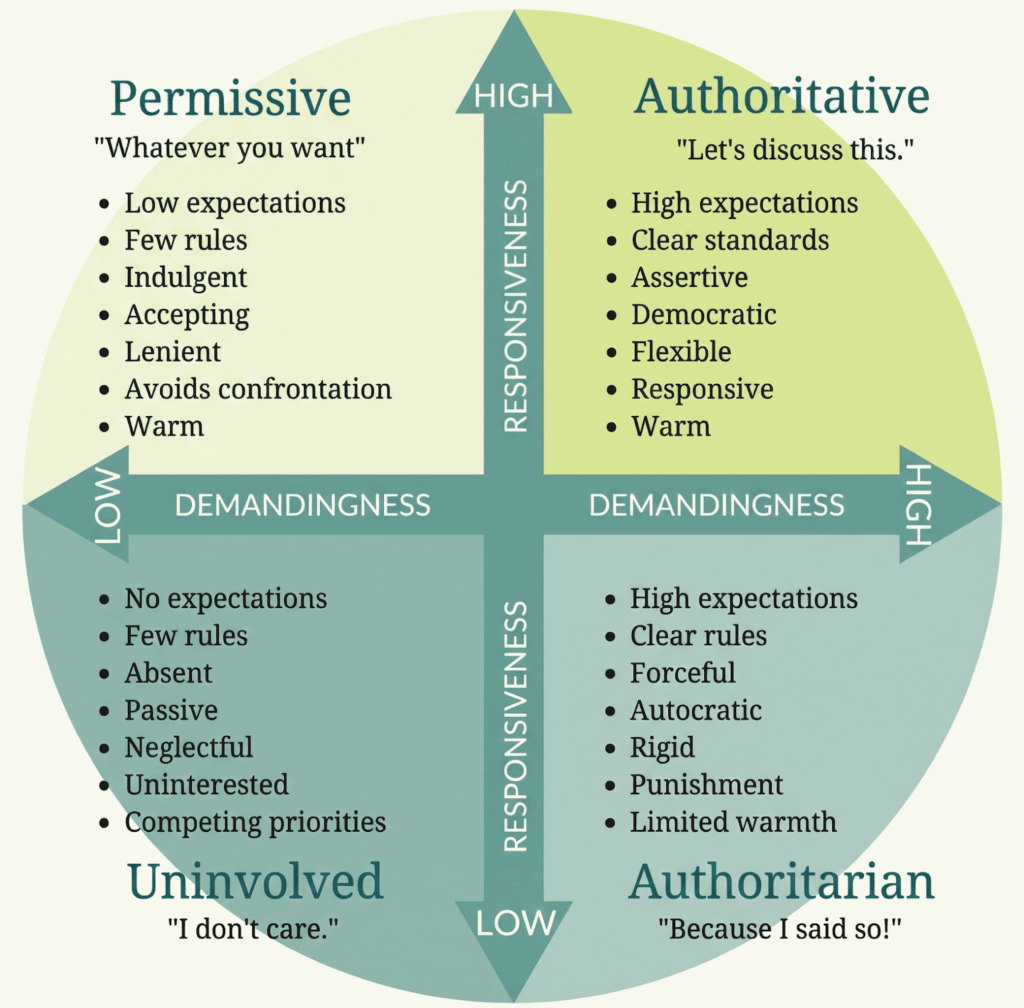
Figure 1. Baumrind parenting styles.
- The Core: It combines high responsiveness (warmth, listening, and support) with high demandingness (clear boundaries, expectations, and structure).
- In the Digital Age: Instead of just banning apps, an authoritative parent explains the “why” behind rules, listens to the teen’s perspective, but remains firm on healthy limits like “no phones after 9:00 PM.”
Positive Behavior Support (PBS) Framework
While its roots are in Applied Behavior Analysis, PBS was popularized in educational and family settings by researchers like Edward Carr and Glen Dunlap (Carr and Dunlap 2002). It moves away from punishing bad behavior and focuses on teaching good behavior.
- The Core: It emphasizes proactive strategies and creating a supportive environment that makes the desired behavior easier to achieve. It operates on the idea that all behavior serves a purpose (to get something or avoid something). In this framework, the goal is to make offline experiences more accessible and rewarding, ensuring the physical world isn’t just a place of boredom, but a space for high-value engagement.
- In the Digital Age: Rather than waiting for a teen to doom-scroll or game for five hours and then grounding them, a PBS approach involves setting up success environments, like a central charging station in the kitchen or turning off WiFi after a certain time, to make getting high-quality sleep a more natural choice.
Collaborative Problem Solving (CPS) Method
Developed by Dr. Ross Greene (Greene and Winkler 2019), this framework is built on a simple but radical premise: Kids do well if they can. If a teen is struggling with screen time, CPS assumes they lack the skills to handle it, not the will to be good.
- The Core: It focuses on identifying lagging skills and unsolved problems. The goal is for the parent and teen to work together to find a win-win solution that addresses the concerns of both parties.
- In the Digital Age: If a teen refuses to get off a video game, a CPS approach involves a calm, non-confrontational conversation to understand why (e.g., “I can’t save my progress mid-match”). Together, you brainstorm a solution that respects their desires and your wishes ensuring they get to bed on time.
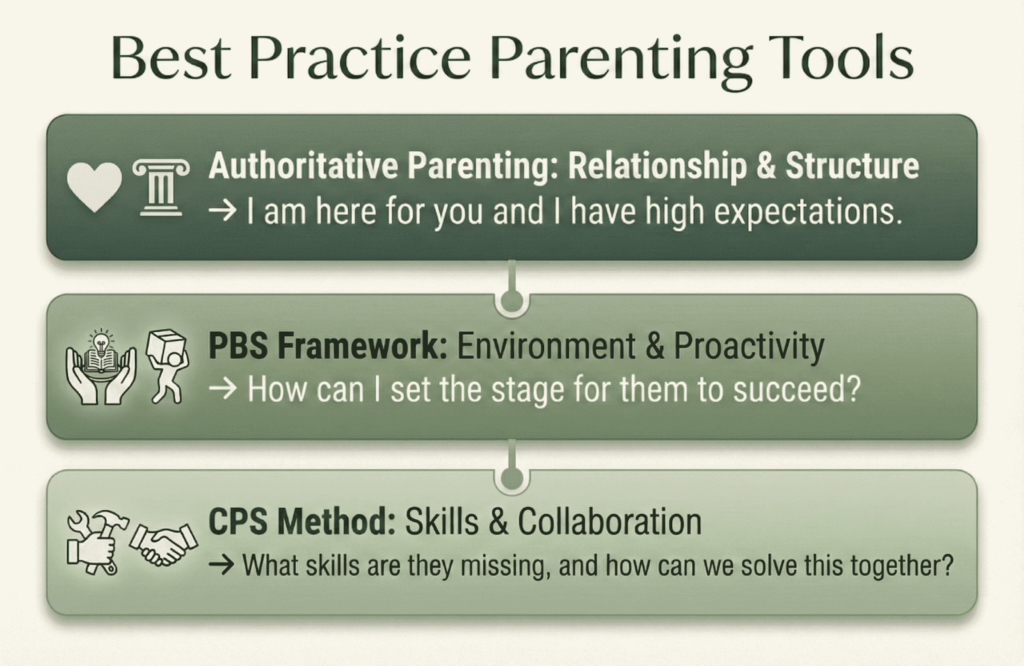
Figure 2. Best practice parenting tools. The foundation for raising socially developed and resilient adults.
The Four Parenting Domains
How do we apply these tools in the context of the digital household? We look at the four parenting domains.
- Responsiveness: listening (listener). Building trust through active listening and emotional warmth.
- Autonomy: mentoring (guide). Encouraging independence by providing scaffolding (temporary support that is removed as the teen gains skill), the support necessary for teens to eventually regulate themselves.
- Education: value based (teacher). Moving beyond rules to explain the why, fostering digital literacy and critical thinking regarding digital activities.
- Regulation: protection (guardian). Establishing non-negotiables, the biological boundaries (like sleep), and structural limits to keep teen behavior within a safe, healthy range.
Various parenting tools are applicable across multiple domains. For the sake of clarity, the tools most relevant to each domain are listed below:
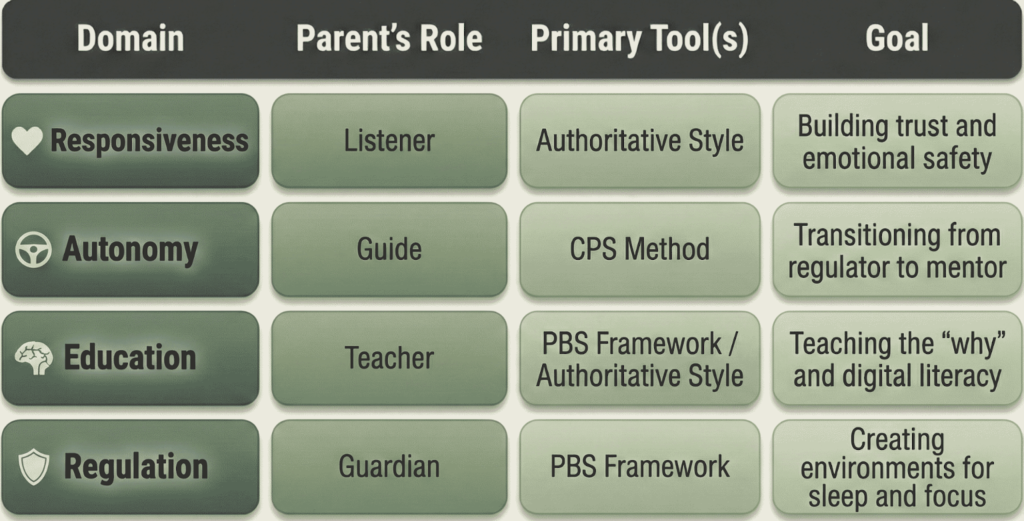
Figure 3. Main parenting tool(s) per parenting domain.
You can apply these parenting tools within each domain to help your teen become a socially developed, resilient adult. We will describe specific practices originating from these tools in the next paragraphs.
Domain: Responsiveness
Responsiveness is about emotional warmth and active engagement. In the digital age, this means being tuned in to your teen’s online world rather than just looking at it from the outside.
Practices:
- Involvement: Instead of being a screen police, be a participant. Show interest in the games they play or the creators they follow to keep communication lines open. Be non-judgemental.
Domain: Autonomy
This domain is grounded in Self-Determination Theory (Ryan and Deci, 2000), which posits that three core psychological ‘nutrients’ are required to foster intrinsic motivation and psychological growth:
- Autonomy: Feeling in control of one’s choices.
- Competence: Feeling capable and effective.
- Relatedness: Feeling connected and valued by others.
When these needs are lacking in a teen’s offline life, perhaps due to school stress or social isolation, they often turn to the digital world to find them. This is known as the Compensation Hypothesis (Przybylski et al., 2013). A teen might spend hours gaming because it is the only place they feel a sense of mastery (Competence) or belonging (Relatedness).
Practices:
- Role Modeling: Children do what we do, not what we say. Our habits provide the blueprint for their own.
- Scaffolding: A teen’s “executive function”, the brain’s command center responsible for impulse control and long-term planning, is housed in the prefrontal cortex, which does not fully mature until the mid-20s. Autonomy shouldn’t mean a total lack of rules; it means graduated freedom. Start with high support and scaffold their independence. Because their biological brakes are still under construction, your external structure acts as a temporary support system. As they demonstrate the ability to self-regulate, you slowly remove the external supports, allowing their own cognitive skills to take the lead.
- Freedom of Choice: Allow teens to decide how they manage their allotted time. This builds the self-regulation skills they will need when they eventually move out.
- The Bilateral Media Contract: Move away from “top-down” rules. Sit down with your teen to create a family media contract. For it to be effective, it must be a two-way street: if your teen agrees to phone-free dinners, you must agree to stop checking work emails during family time (role modeling).
Domain: Education
The goal of this domain is to pull back the curtain. When teens understand the “why” behind their digital urges, they move from being passive consumers to critical thinkers.
Practices:
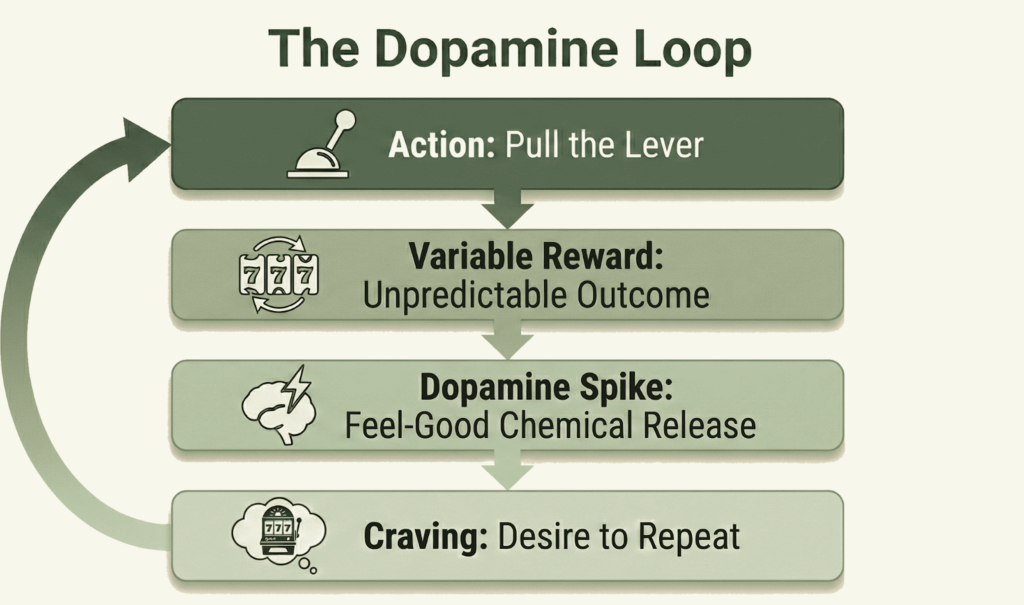
Figure 4. Dopamine loop. Variable rewards trigger dopamine release, leading to a persistent craving to repeat the initial action.
- The Psychology of the “Maybe” (Dopamine): Teach your teen that dopamine isn’t a pleasure chemical. It is a seeking and wanting chemical. Social media apps use this by exploiting a neurological phenomenon called Reward Prediction Error. When a reward (like a “like” or a viral video or an in-game surprise box) is unpredictable, the brain releases more dopamine than if the reward were guaranteed. This is why Variable Reward Schedules (Voinea et al., 2024), the same mechanism used in slot machines, are so effective at keeping the brain in a state of constant anticipation. Understanding that the “maybe” factor is a deliberate hack of their biology makes the infinite scroll or game easier to resist. It shifts the perspective from “I am addicted” to “This app is trying to trick my seeking system.”
- Content vs. Context: Not all screen time is equal. Teach them the difference between Active Consumption (coding, creating art, FaceTime with friends) and Passive Consumption (mindless scrolling). Ask them: “Does this app make you feel like a user with a purpose or a product?”
- Algorithmic Literacy: Explain the Attention Economy. If the app is free, the company is selling the teen’s time and attention. Discuss filter bubbles: explain that their “For You” page is an echo chamber that can distort their view of reality, body image, and politics.
- Highlight Reels vs. Real life: Social media invites us to compare our real life (our messy, unedited daily lives behind the scenes) to everyone else’s “highlight reel” (their most polished, curated moments). It is a vital skill for emotional resilience to remind them that nobody posts their boring days or failures; they post their peaks only.
- FOMO vs. JOMO: Discuss the Fear Of Missing Out and introduce the Joy Of Missing Out: the peace found in the physical world.
Domain: Regulation
Regulation is not about control; it is about providing the external structure a teenager’s brain cannot yet provide for itself. By setting these boundaries, you aren’t just policing behavior, you are protecting their biological development. As teens develop, the amount of regulation can be reduced when their competence and thus autonomy increases.
Practices:
- Protecting Sleep: Screen limits are a biological necessity, not just a household rule. Blue light suppresses melatonin (the sleep hormone), but more importantly, the high-arousal nature of social media, the likes, the comments, the fast-paced videos, keeps the brain in a state of high alert. Aim for a digital sunset at least 60 minutes before sleep to allow the brain to transition from high arousal to a recovery state.
- Phone-Free Zones: Establish sacred spaces, such as the dining table or bedrooms after 9:00 PM. This ensures the brain has the 8–10 hours of recovery time it biologically requires.
- Safety Check-ins: Periodically checking the phone should be framed as a safety check-in for younger teens, gradually phased out as they earn trust through the scaffolding process.
- The Dumb Phone Option: For younger teens or those struggling significantly, consider a dumb phone (calls/texts only) to delay the high-intensity dopamine of a smartphone until their prefrontal cortex is better equipped to handle it.
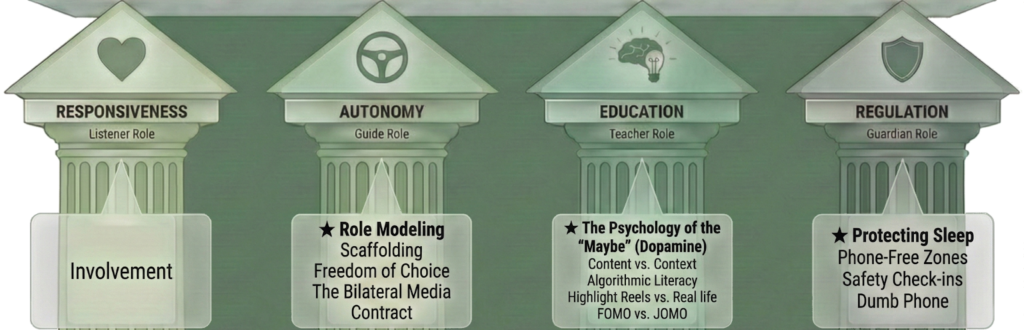
Figure 5. Practices for parenting domains to teach your teens social competence, independence and emotional resilience regarding screen consumption and becoming socially developed and resilient adults.
The 80/20 Rule: Keystone Practices
Parenting in the digital age can feel like a game of “whack-a-mole.” However, the Pareto Principle (a heuristic) suggests that 80% of your developmental results will come from just 20% of your efforts. By focusing on these three Keystone Practices, you build a foundation that makes the rest of your parenting more effective and less exhausting.
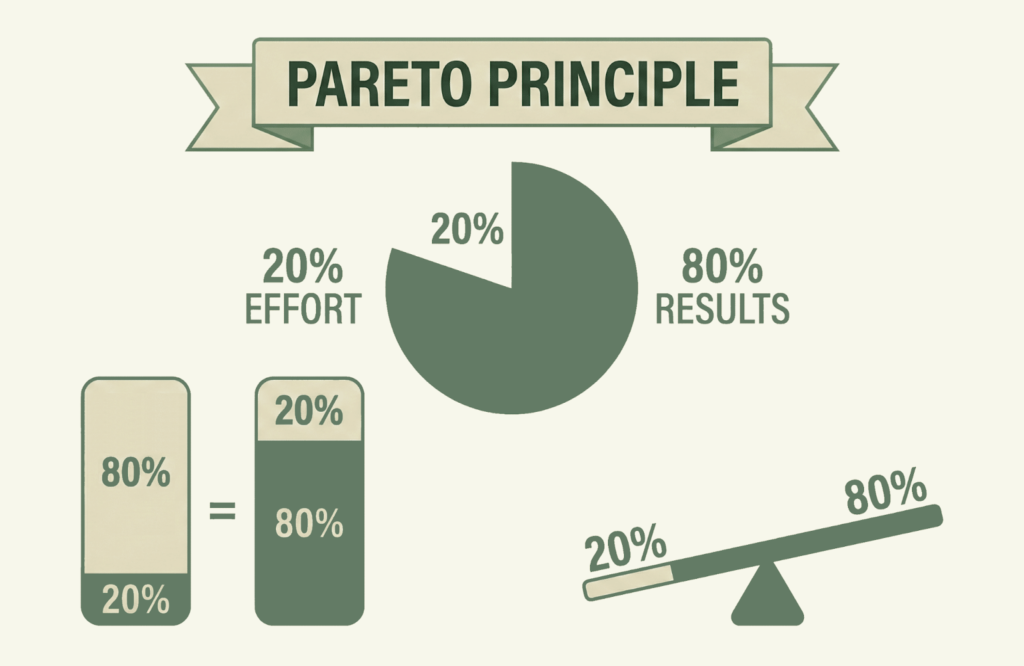
Figure 6. Pareto principle. 20% of the effort yields already 80% of the results.
1. Sleep Protection: The Biological Foundation
A sleep-deprived brain is a reactive, impulsive brain. Research shows that sleep is the biological prerequisite for self-regulation (Beattie et al., 2015). Without it, even the best parenting tools will fail because the teen’s biological brakes are offline.
- The Win: By enforcing a digital sunset 60 minutes before bed, you aren’t just taking away a phone; you are protecting the brain’s ability to recover. A rested teen is more resilient, less moody, and better equipped to handle the digital world the next day.
2. Role Modeling: The Behavioral Blueprint
We cannot ask our children to do what we are unwilling to do ourselves. Parental screen habits are the single strongest predictor of a child’s digital behavior, often carrying more weight than the actual rules you set (Lauricella et al., 2015).
- The Win: When you put your phone away during dinner or unplug after work, you provide the biological blueprint for balance. You move from being a hypocritical enforcer to an authentic mentor which preserves the trust (responsiveness) needed for deeper conversations.
3. Dopamine Education: The Cognitive Shield
Adolescents are hardwired to seek autonomy and resist manipulation. By teaching them about Reward Prediction Error and Variable Reward Schedules (Voinea et al., 2024), you change the narrative from “Mom wants me off my phone” to “This algorithm is trying to hijack my brain.”
- The Win: Framing digital literacy as a tool for independence is a powerful motivator (Bryan et al., 2016). When a teen realizes they are being played by a slot-machine mechanic, their natural desire for control kicks in, making them much more likely to self-regulate.
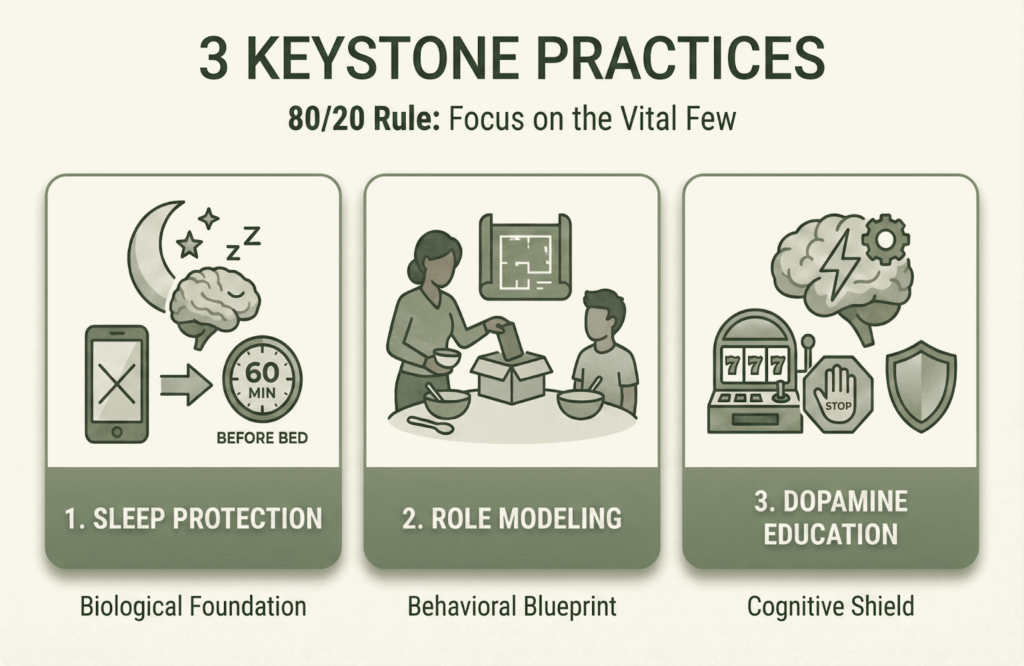
Figure 7. Three keystone practices: sleep protection, role modeling and dopamine education.
The Temple Overview: Raising Socially Developed and Resilient Adults
The temple overview serves as a visual synthesis of this article’s proposed parenting approach. To reach the capstone, the ultimate goal of raising socially developed and resilient adults, we must ensure the foundation and pillars are structurally sound.
The Capstone: The Ultimate Goal
The peak of the temple represents our primary objective: raising adults who have the social skills and emotional resilience to navigate the digital world.
The Architrave: Healthy Balance
Just below the capstone is the daily practice of maintaining a healthy balance between online engagement, being offline, and high-quality sleep. This balance provides the structural support for a teen’s mental health and rest.
The Four Pillars: Parenting Domains
The pillars represent the four key domains where parents apply specific tools to help their teens. As shown in the “Parenting Domains” table (figure 3), certain parenting tools have a better fit with specific domains:
- Responsiveness (The Listener): Focuses on building trust and emotional safety through active listening and warmth.
- Autonomy (The Guide): Encourages independence through scaffolding, temporary support removed as the teen gains skill.
- Education (The Teacher): Moves beyond rules to explain the “why,” fostering digital literacy and critical thinking.
- Regulation (The Guardian): Establishes non-negotiable biological boundaries, such as sleep, to keep the teen safe.
The Foundation: The Parenting Toolbox
The entire structure rests on three proven parenting tools that provide stability to parenting in the digital age:
- Authoritative Parenting: High warmth combined with high expectations.
- Positive Behavior Support (PBS): Proactive strategies that make desired behaviors easier to achieve.
- Collaborative Problem Solving (CPS): Working together to solve unsolved problems and lagging skills.
By approaching digital parenting this way, you are building a permanent structure helping your teen become a socially developed and resilient adult.
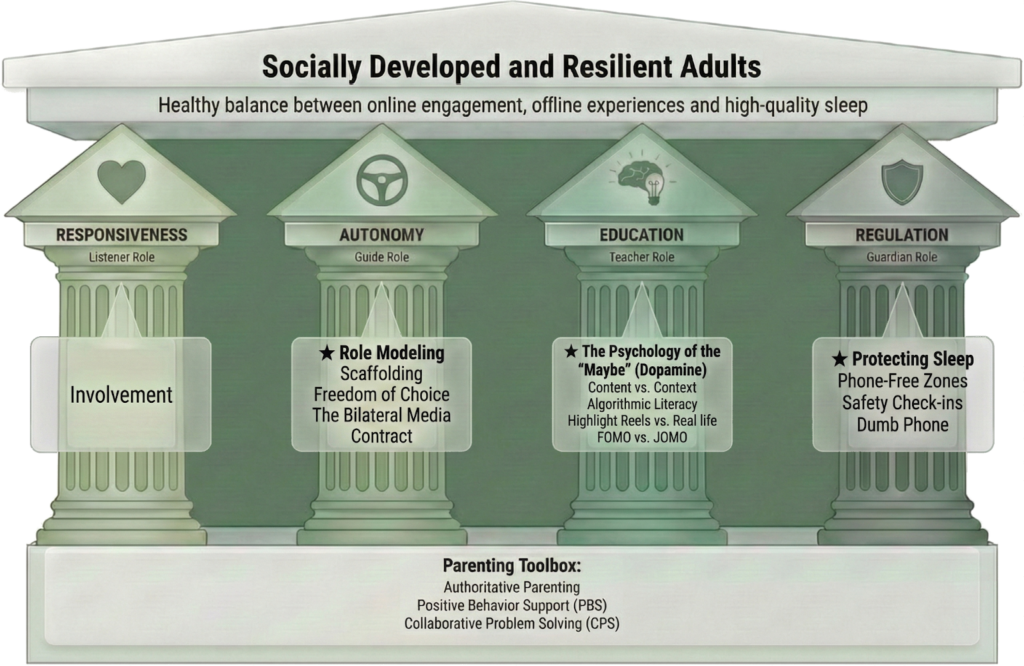
Figure 8. The Temple Overview: Raising socially developed adults in the context of the digital world.
Conclusion
Raising a teenager toward maturity is not about winning a daily battle against technology; it is about the long game of human development. By laying a foundation of proven tools Authoritative warmth, PBS proactivity, and CPS collaboration and held up by the pillars of Responsiveness, Autonomy, Education, and Regulation, we undergo a fundamental shift: we stop being just regulators and become digital mentors.
This approach allows us to move beyond the exhaustion of counting minutes. When we prioritize the keystone practices, protecting sleep, modeling intentionality and explaining the biology of dopamine, we create healthy friction against a world designed for distraction. We aren’t just limiting a screen; we are expanding a teen’s capacity for empathy, focus, and real-world connection.
Ultimately, our goal is to help our children navigate the digital world not as passive products of an algorithm, but as resilient, critical thinkers. By valuing the physical world and high-quality rest, we give them the space to grow into social and resilient adults. It is in the unedited, imperfect interactions of daily life that our teens find their truest path to a fulfilling and socially connected future.
Works Cited
- Baumrind, D. (1966). Effects Of Authoritative Parental Control On Child Behavior. Child Development, 37(4), 887-907. https://doi.org/10.2307/1126611
- Beattie, L., Kyle, S., Espie, C., & Biello, S. (2015, December). Social interactions, emotion and sleep: A systematic review and research agenda. Sleep Medicine Reviews, 24(-), 83-100. https://doi.org/10.1016/j.smrv.2014.12.005
- Bryan, C., Yeager, D., Hinojosa, C., & Steubing, F. (2016, September 12). Harnessing adolescent values to motivate healthier eating. PNAS, 113(39), 10830-10835. https://doi.org/10.1073/pnas.1604586113
- Carr, E., & Dunlap, G. (2002). Positive Behavior Support: Evolution of an Applied Science. Journal of Positive Behavior Interventions, 4(1), 4-16. https://doi.org/10.1177/109830070200400102
- Castelo, N., Kushlev, K., Ward, A., Esterman, M., & Reiner, P. (2025, February 18). Blocking mobile internet on smartphones improves sustained attention, mental health, and subjective well-being. PNAS NEXUS, 4(2), pgaf017. https://doi.org/10.1093/pnasnexus/pgaf017
- Greene, R., & Winkler, J. (2019). Collaborative & Proactive Solutions (CPS): A Review of Research Findings in Families, Schools, and Treatment Facilities. Clinical Child and Family Psychology Review, 22(4), 549-561. https://doi.org/10.1007/s10567-019-00295-z
- Lauricella, A., Wartella, E., & Rideout, V. (2015). Young children’s screen time: The complex role of parent and child factors. Journal of Applied Developmental Psychology, 36(-), 11-17. https://doi.org/10.1016/j.appdev.2014.12.001
- Przybylski, A., Murayama, K., DeHaan, C., & Gladwell, V. (2013, July). Motivational, emotional, and behavioral correlates of fear of missing out. Computers in Human Behavior, 29(4), 1841-1848. https://doi.org/10.1016/j.chb.2013.02.014
- Ryan, R., & Deci, E. (2000). Self-determination theory and the facilitation of intrinsic motivation, social development, and well-being. American Psychologist, 55(1), 68-78. https://doi.org/10.1037/0003-066X.55.1.68
- Voinea, C., Marin, L., & Vică, C. (2024, March 2). Digital Slot Machines: Social Media Platforms as Attentional Scaffolds. Topoi, 43(-), 685-695. https://doi.org/10.1007/s11245-024-10031-0