
StayOffLiveOn: Raising Socially Developed Adults
Introduction
How do we guide our teens toward becoming socially developed, resilient adults? In the article, “From Teens to Socially Developed Adults: Beyond Screen Time Rules,” we argue that the key lies in balancing their digital lives with meaningful offline experiences and restorative sleep. StayOffLiveOn isn’t just another regulating tool; it helps you achieve exactly that. In the research-backed article we’ve broken down actionable practices across different parenting domains. This resulted in the temple overview (see Appendix A for the full temple overview):
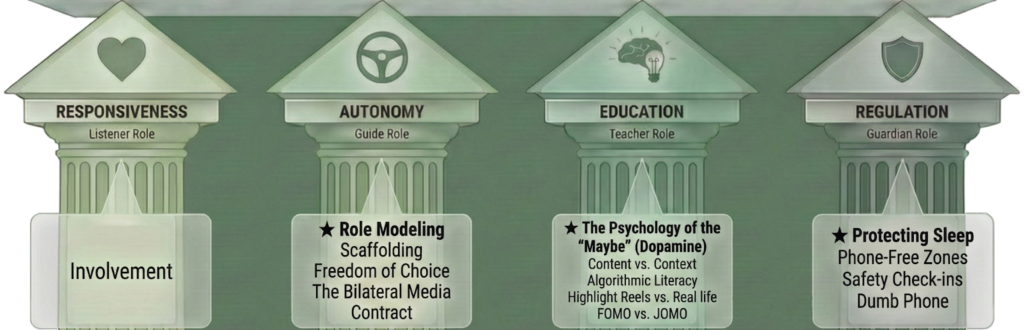
Figure 1. Practices for parenting domains to teach your teens social competence, independence and emotional resilience regarding screen consumption and becoming socially developed and resilient adults.
StayOffLiveOn’s features are directly built upon these pillars to support your parenting journey as effectively as possible. First, a short recap of the four parenting domains with their practices.
Domain: Responsiveness
Focuses on emotional warmth to respect both the parent and teen perspectives.
- Involvement: Act as a curious observer rather than a regulator to keep lines of communication open.
Domain: Autonomy
Healthy psychological development emerges when people feel connected, competent and have control over their own actions.
- Role Modeling: Exhibit the habits you want mirrored; teenagers follow actions over instructions.
- Scaffolding: Provide external structure that fades as the teen’s self-regulation matures.
- Freedom of Choice: Let teens manage their own time to build self-governance skills.
- The Bilateral Media Contract: Establish reciprocal agreements where parents model the same rules they set for their teens.
Domain: Education
Shifts teens from passive consumers to critical thinkers by teaching how tech works.
- The Psychology of the “Maybe” (Dopamine): Explain how variable reward schedules stimulate the brain optimally to crave notifications.
- Content vs. Context: Distinguish between active creating/connecting vs. mindless scrolling.
- Algorithmic Literacy: Discuss how the attention economy and filter bubbles distort reality.
- Highlight Reels vs. Real life: Contrast curated social media peaks with actual messy daily life.
- FOMO vs. JOMO: Swap the anxiety of missing out for the peace of being present.
Domain: Regulation
Safeguarding the developing brain: implementing boundaries that a teenager cannot yet manage independently.
- Protecting Sleep: Use a 60-minute digital cooling-off period before bed to ensure brain recovery.
- Phone-Free Zones: Keep tech out of spaces like the dinner table.
- Safety Check-ins: Use periodic phone reviews that phase out as trust is earned.
- The Dumb Phone Option: Use basic devices for younger teens to delay high-intensity dopamine hits.
Best Practice Parenting Tools
These practices are the result of applying the best practice parenting tools described in previously mentioned article.
- Authoritative Parenting: Balancing warmth and understanding with clear structure.
- Positive Behavior Support (PBS): Proactively creating environments where desired behavior will emerge.
- Collaborative Problem Solving (CPS): Working together to solve unsolved problems and lagging skills.
How StayOffLiveOn Supports Your Parenting
As parents, you can apply healthy digital parenting practices through your own inventiveness and the aids you choose. We developed StayOffLiveOn to bridge the gap between parenting theory and daily practice. Rather than just another regulating tool, StayOffLiveOn aids you in applying best practices automatically for raising socially developed adults. The app helps you by acting as a digital mentor through collaboration, trust, reward and scaffolding.
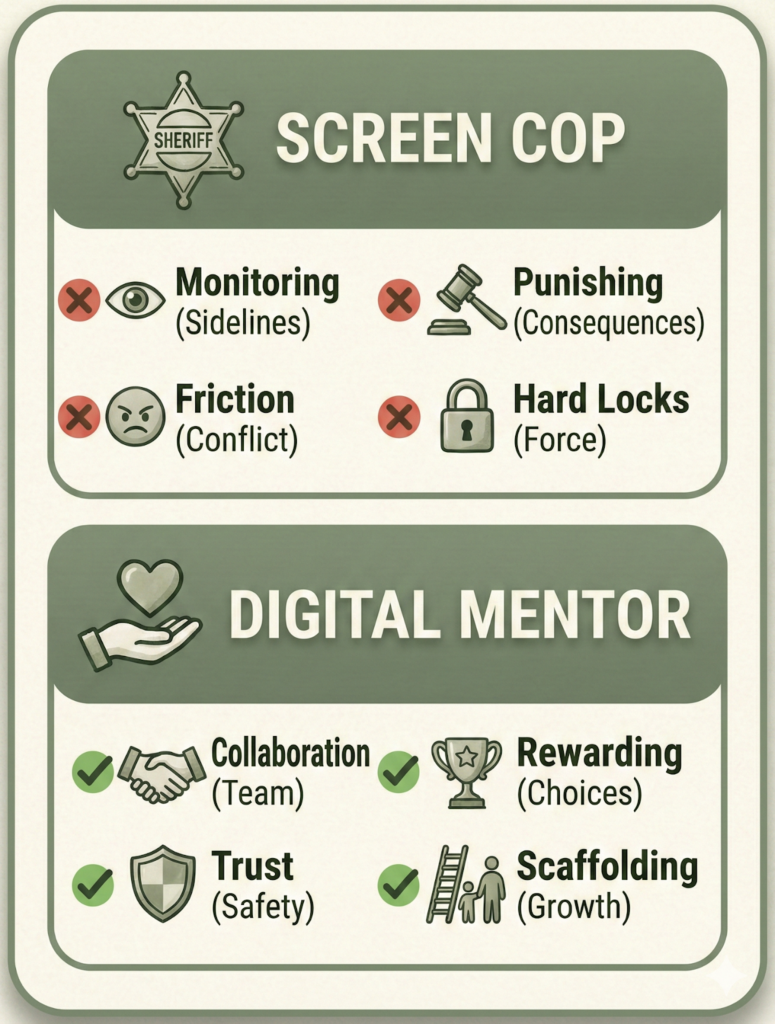
Figure 2. StayOffLiveOn aids you in being a digital mentor.
Next, we explore the app’s features. We’ll examine how they leverage the three best practice parenting tools and how they align with the four essential parenting domains.
StayOffLiveOn Parenting Domain Practices Explained
Functionalities
StayOffLiveOn is designed to foster healthy screen usage habits through gamification. By pairing family members together, the app incentivizes offline time (screen-locked periods) through a unique credit-based reward system. This creates an environment where desired behavior is stimulated (PBS); teens are rewarded for positive choices rather than punished for bad ones.
How it works:
- Earn Credits: Users accumulate credits by staying offline during scheduled periods and staying within personalized daily screen time limits. Crucially, the value of these credits and the specific offline periods are mutually agreed upon per family pair, embodying the principles of Collaborative Problem Solving (CPS).
- Reciprocal Rewards: Credits are redeemed in customized marketplaces. This acts as a digital version of a bilateral media contract, where both parent and teen offer rewards, such as movie nights, quality time or sneakers, ensuring a “we’re in this together” dynamic that builds trust (Authoritative Parenting).
- Interactive Education: An integrated learning hub allows teens to earn extra credits by consuming educational content about digital well-being and passing related quizzes. This makes them critical thinkers who understand how algorithms abuse their biology.
By gamifying the choice to disconnect, StayOffLiveOn helps families protect high-quality sleep and prioritize real-world experiences.
How StayOffLiveOn Maps To The Parenting Domain Practices
Here is how the app features align with the practices from each domain to be a digital mentor:
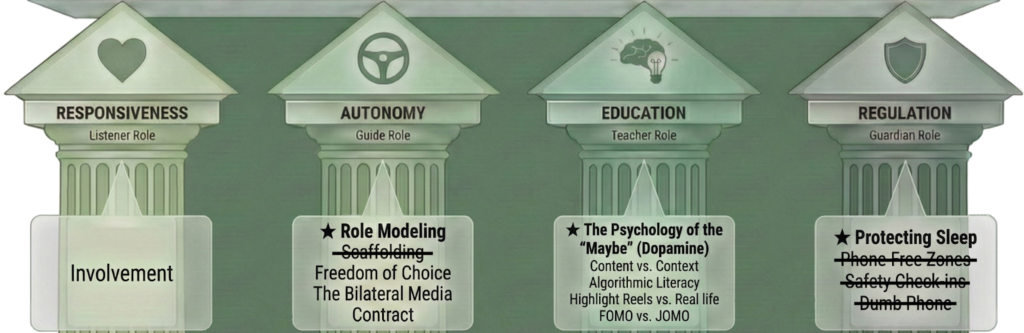
Figure 3. Practices from parenting domains supported by StayOffLiveOn.
Domain: Responsiveness (The Listener)
Goal: Building trust and emotional safety.
- Involvement: You are no longer a regulator and are involved by participating and discussing rules with your teen.
Domain: Autonomy (The Guide)
Goal: Transitioning from regulator to mentor.
- Role Modeling: By participating in the challenges yourself, you model the self-regulation habits you want your teen to mirror.
- Freedom of Choice: The app grants teens freedom in how they use their screen time, as long as they meet their agreed-upon offline goals.
- The Bilateral Media Contract: The credit-based marketplace serves as a digital bilateral contract where both of you define earning periods and rewards, ensuring the teen has an equal voice in the agreement.
Domain: Education (The Teacher)
Goal: Teaching your teenager the way apps operate and the tricks they use to maximize the time they spend on the app. All subjects below are available in different educational formats and reinforced through quizzes (for which credits can be earned).
- The Psychology of “Maybe”: Understanding dopamine and the effect of variable rewards.
- Content vs. Context: Learning the difference between active and passive digital consumption.
- Algorithmic Literacy: Exposing the mechanics of the attention economy and filter bubbles.
- Highlight Reels vs. Real Life: Protecting self-esteem from curated perfection.
- FOMO vs. JOMO: Explaining the benefits of “Missing Out”
Domain: Regulation (The Guardian)
Goal: encouraging sufficient offline time and high quality sleep.
- Protecting Sleep: The app motivates users to disconnect 60 minutes before bed by awarding credits for sleep streaks. This protects the 8-10 hours of recovery time the brain biologically requires.
The 80/20 Rule of Parenting During the Digital Age
By automating these domains, StayOffLiveOn addresses the Keystone Practices that yield 80% of the positive impact on a teen’s development: Role Modeling, Sleep Protection, and Dopamine Education. The app doesn’t just motivate healthy screen time use; it builds the character and self-governance skills your teen needs to navigate the digital world as a resilient, socially developed adult.
Pro-Tip: Mastering Parenting During the Digital Age
To maximize the impact of StayOffLiveOn, we recommend viewing digital parenting as a two-part ecosystem that separates empowerment from protection. While the app serves as your primary tool for mentorship and rewards, it works best when paired with external scaffolding.
1. The Division of Roles: App and External Tool
By making this division, you maintain the Authoritative balance of high warmth and clear structure.
- The App (The Mentor/Guide): Use StayOffLiveOn to handle the Responsiveness, Autonomy, and Education domains. It is the space for win-win collaboration, dopamine education, and rewarding positive choices.
- External Tools (The Guardian): While StayOffLiveOn motivates you to be offline through gamification (PBS), it is not enforced. Use hardware-level regulating apps, network timers, phone handovers or other methods you can think of to enforce important boundaries and protect younger teens. These tools enforce non-negotiables, important boundaries like sleep that a teenager should follow. Even with the positive reinforcement of StayOffLiveOn, teenagers may sometimes struggle, making these external boundaries a necessary backup.
2. Implementing the Scaffolding Process
Scaffolding is temporary support that is gradually removed as your teen demonstrates increased competence. This aligns with Self-Determination Theory, helping teens move toward true independence.
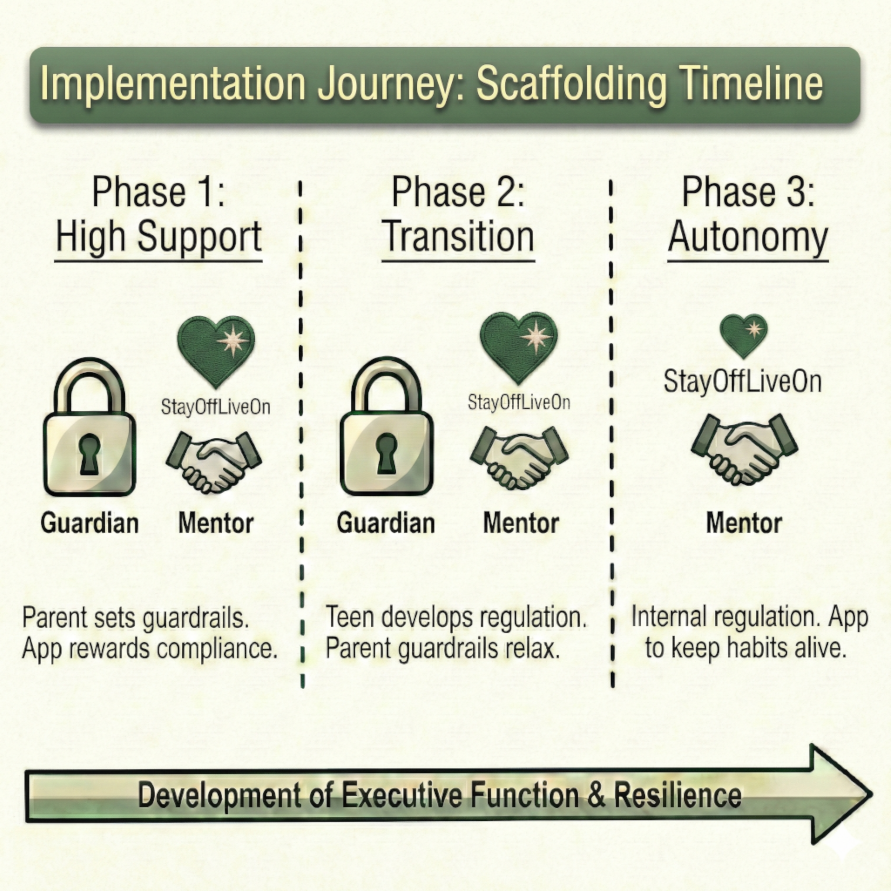
Figure 4. Scaffolding process.
- Phase 1: High Support: Utilize external tools to strictly enforce a digital sunset at least 60 minutes before sleep. Meanwhile, use StayOffLiveOn to reward your teen for following these boundaries.
- Phase 2: Transition: As your teen’s executive function, the brain’s command center for impulse control, matures, start to relax the external hard-locks. Allow your teen to use StayOffLiveOn to motivate high quality sleep and earn credits for self-regulating their sunset time.
- Phase 3: Autonomy: Eventually, you remove the external regulating methods entirely. Your teen relies on their own internal biological brakes and digital literacy now, using the app simply to keep healthy habits alive and/or just for fun.
3. Why This Works
This approach minimizes the parent vs. teen conflict. Because regulation is handled by external tools, and the rewards are handled by StayOffLiveOn, you remain a supportive participant in their growth rather than a regulator. This protects the teen’s biological development while fostering the self-governance skills they will need as adults.
Conclusion
Raising a teenager toward maturity is about the long game of human development. By integrating Authoritative warmth, PBS proactivity, and CPS collaboration, we parents transform from being just regulators into digital mentors.
With StayOffLiveOn at your side, you move beyond the exhaustion of counting minutes to safeguarding your child’s biological health and independence.
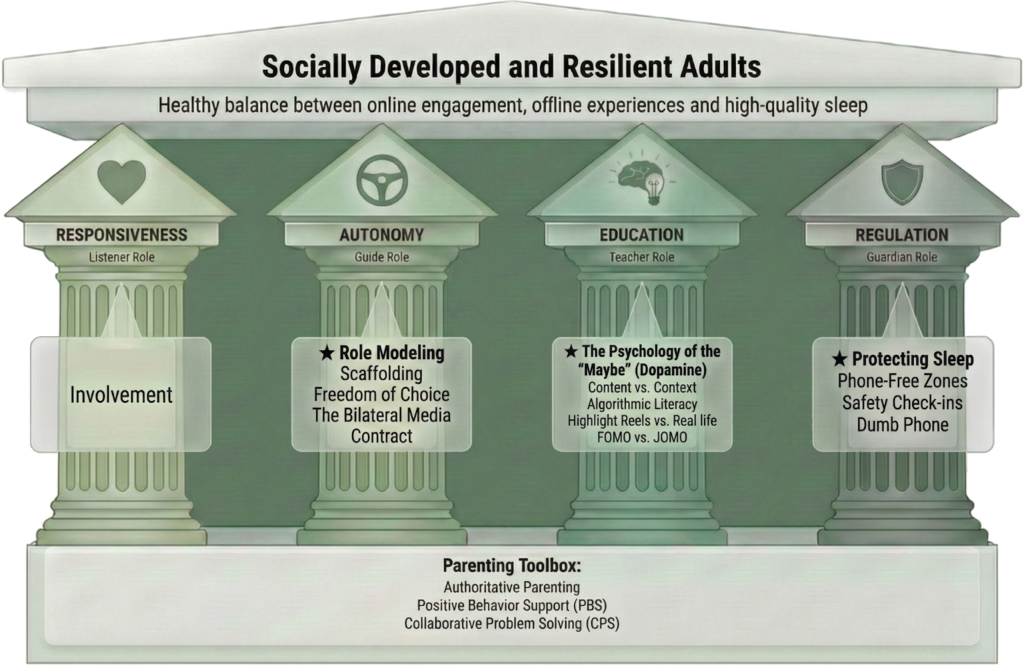
Appendix A. The Temple Overview: Raising socially developed adults in the context of the digital world.